Understanding Compliance Requirements for Cold Plunge Tubs
29 Apr 2026
What Manufacturers Need to Know about Recent Standards Updates
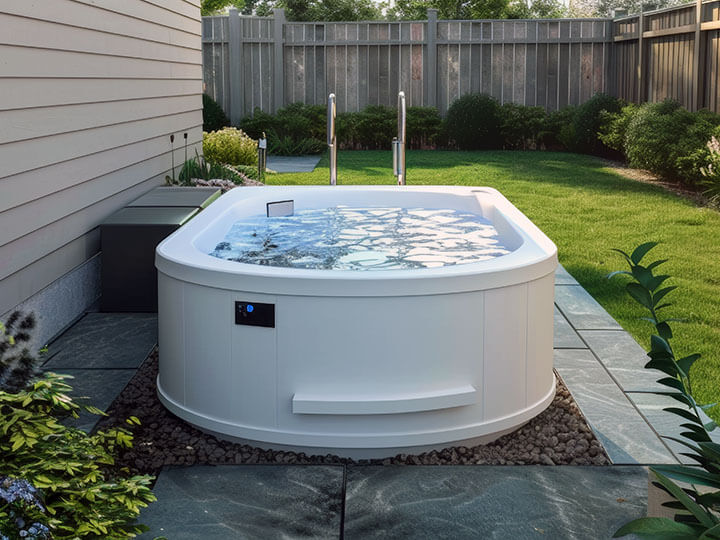
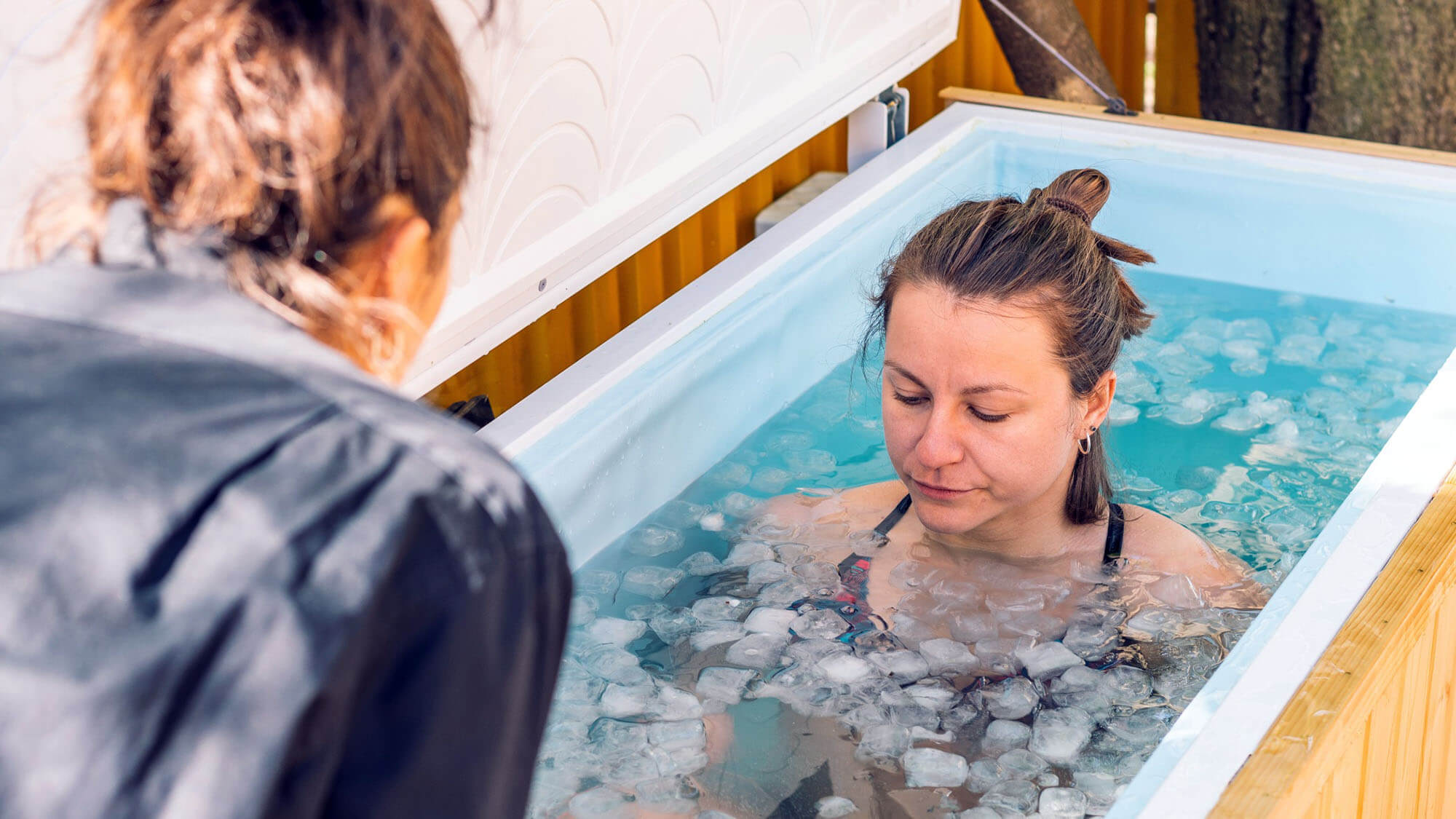
Cold plunge tubs are rapidly gaining popularity across residential, commercial wellness, hospitality, and athletic recovery markets. As demand grows, so does the need for clear safety and compliance pathways. Recent updates to UL 1563 and CSA C22.2 No. 218.1 now explicitly include requirements for cold plunge tubs – bringing these products into a more defined regulatory framework across North America.
For manufacturers, this evolution signals an important shift: cold plunge tubs are no longer adjacent to spa standards – they are now directly governed by them.
Why the Standards Were Updated
Historically, cold plunge tubs occupied a gray area, often evaluated under modified spa or hydromassage equipment requirements. However, differences in operating temperatures, intended use, and system configurations introduced unique safety considerations.
Standards bodies have updated requirements to address:
- Increased market adoption in wellness and recovery applications
- The need for consistent safety criteria across hot and cold immersion systems
- Emerging product designs incorporating active chilling, circulation, and sanitation systems
By integrating cold plunge tubs into established standards, regulators aim to ensure a uniform approach to electrical, mechanical, and user safety.
Key Technical Considerations for Compliance
1. Electrical Safety in Low-Temperature Environments
Cold plunge systems often integrate chillers, pumps, and control systems operating in close proximity to water and users. Updated requirements emphasize:
- Grounding and bonding integrity
- Leakage current limits
- Protection against electric shock under normal and fault conditions
Designs must account for condensation and moisture ingress risks, which can be more pronounced in low-temperature operation.
2. Temperature Control and Limitation
Unlike hot tubs, cold plunge tubs are designed to maintain significantly lower water temperatures, often below 60°F (15°C). Compliance requirements now address:
- Reliable temperature sensing and control systems
- Protection against unintended freezing conditions that could damage components
- User safety considerations for prolonged exposure
3. Mechanical and Structural Integrity
Cold temperatures can affect material performance, making durability a critical factor. Standards now evaluate:
- Resistance to cracking or brittleness in plastics and seals
- Structural integrity under repeated thermal cycling
- Performance of pumps and plumbing systems at low temperatures
4. Circulation, Filtration, and Sanitation Systems
Proper water quality management remains essential, regardless of temperature. Requirements include:
- Safe integration of filtration and sanitation components
- Flow rate and circulation performance validation
- Compatibility of materials with chemical treatments used in cold water environments
5. Markings, Instructions, and User Safety
Clear communication to end users is a key part of compliance. Updated standards require:
- Markings related to safe operating temperatures
- Installation and maintenance instructions
- Warnings regarding health risks associated with cold exposure
Implications for Manufacturers
The inclusion of cold plunge tubs within UL 1563 and CSA C22.2 No. 218.1 has broad implications across product design and market access:
- Cold plunge tub OEMs must now certify complete systems to recognized safety standards rather than relying on partial or component-level evaluations.
- Chiller and pump manufacturers must ensure their components meet performance and safety expectations in low-temperature, high-moisture environments.
- Control system and electronics providers need to validate reliability and protection against condensation-related risks.
- Material and enclosure manufacturers must demonstrate durability under repeated cold exposure and thermal cycling.
This shift reinforces the importance of designing with compliance in mind from the earliest stages of product development.
Testing and Certification Considerations
Bringing a compliant cold plunge tub to market requires a comprehensive evaluation approach. Manufacturers should be prepared to:
- Conduct electrical safety testing under wet and low-temperature conditions
- Validate temperature control systems and fail-safe mechanisms
- Assess mechanical durability and material performance
- Verify system-level integration of pumps, chillers, and controls
Third-party certification ensures products meet both U.S. and Canadian requirements, streamlining acceptance by regulators, retailers, and end users.
Final Thoughts: Defining the Future of Wellness Products
Cold plunge tubs are no longer niche wellness products, they are becoming engineered systems that sit at the intersection of water, electricity, and human exposure. With formal inclusion in UL 1563 and CSA C22.2 No. 218.1, the expectation is clear: these products must meet the same rigorous safety and performance benchmarks as traditional spas.
For manufacturers, this impacts far more than just the tub itself. It extends to integrated chillers, circulation pumps, heaters (where applicable), control electronics, sensors, power supplies, and even connected features such as smart monitoring systems. Every component must perform reliably in a demanding environment defined by water exposure, low temperatures, and continuous operation.
Partnering with Intertek provides manufacturers with the expertise to navigate evolving requirements, conduct comprehensive testing, and achieve certification to the latest standards. Engage early to streamline your path to market, reduce risk, and ensure your cold plunge solutions are ready to meet the expectations of regulators – and the confidence of your customers.

Intertek offers testing and certification for a wide range of cold plunge and immersion cooling equipment to both UL 1563 and CSA C22.2 No. 218.1, which now explicitly include cold plunge tubs and associated cooling equipment within their scope.